A bright home feels welcoming, but excessive sunlight can sometimes make indoor spaces uncomfortable. In Jaipur, where sunny afternoons are common, direct sunlight entering through large windows can create glare, increase indoor heat and affect the comfort of your living spaces.
The good news is that you do not always need to keep your curtains closed throughout the day. With the right window treatments, you can manage sunlight, maintain privacy and enjoy natural daylight without compromising the overall appearance of your home.
From modern roller blinds to layered curtains and outdoor awnings, there are several ways to make your windows more functional and stylish.
Windows allow natural light into your home, but they can also let unwanted solar heat enter the room.
This problem can be more noticeable in rooms with large glass windows, west-facing openings or limited external shading.
Some common issues include:
The right window covering can help manage these issues while allowing you to control how much daylight enters your home.
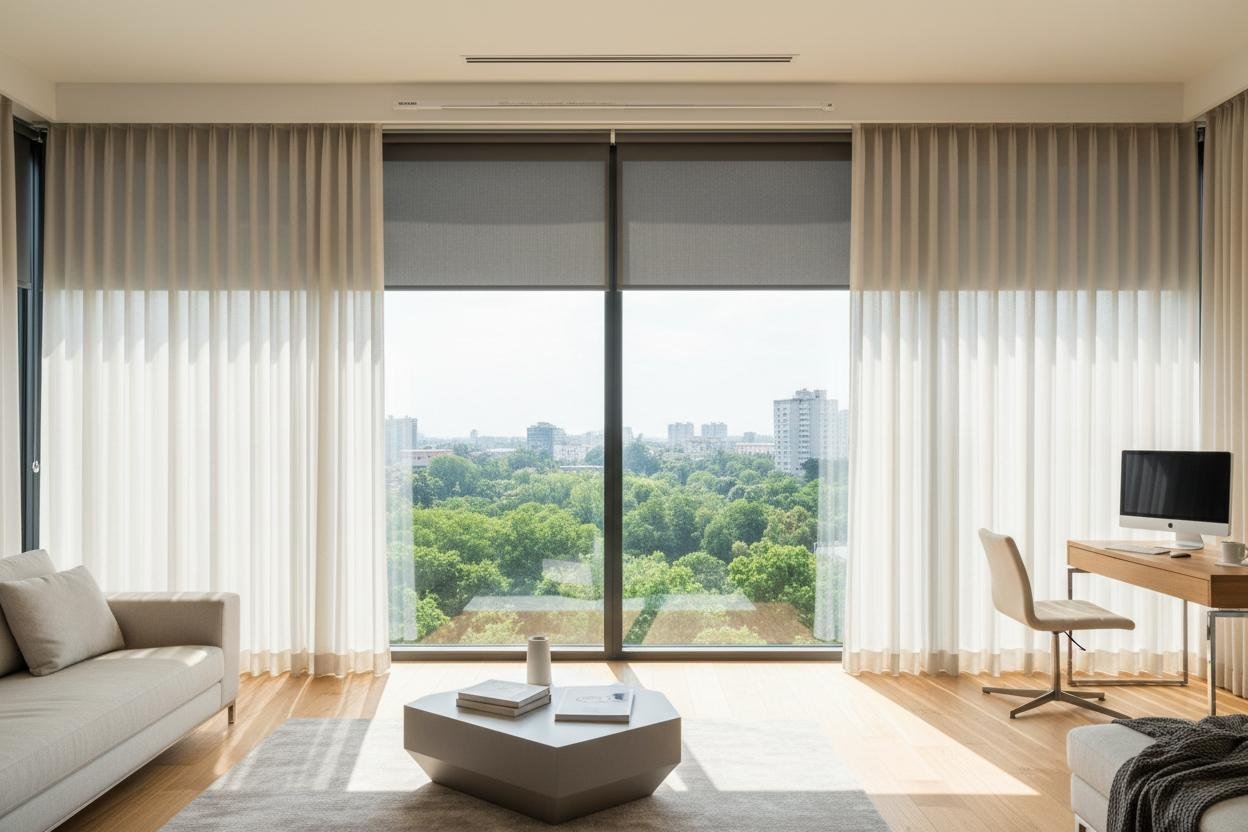
Roller blinds are a practical option for modern homes where a clean and minimal appearance is preferred.
They can be adjusted according to the time of day and the amount of sunlight entering the room. Depending on the fabric selected, they can filter daylight, reduce glare or provide greater privacy.
Why consider roller blinds?
For rooms receiving strong afternoon sunlight, consider suitable solar-screen or light-filtering fabrics. Check their openness, glare-control performance and heat-control specifications before selecting them.
Explore Roller Blinds at Interior World for suitable window-covering options.
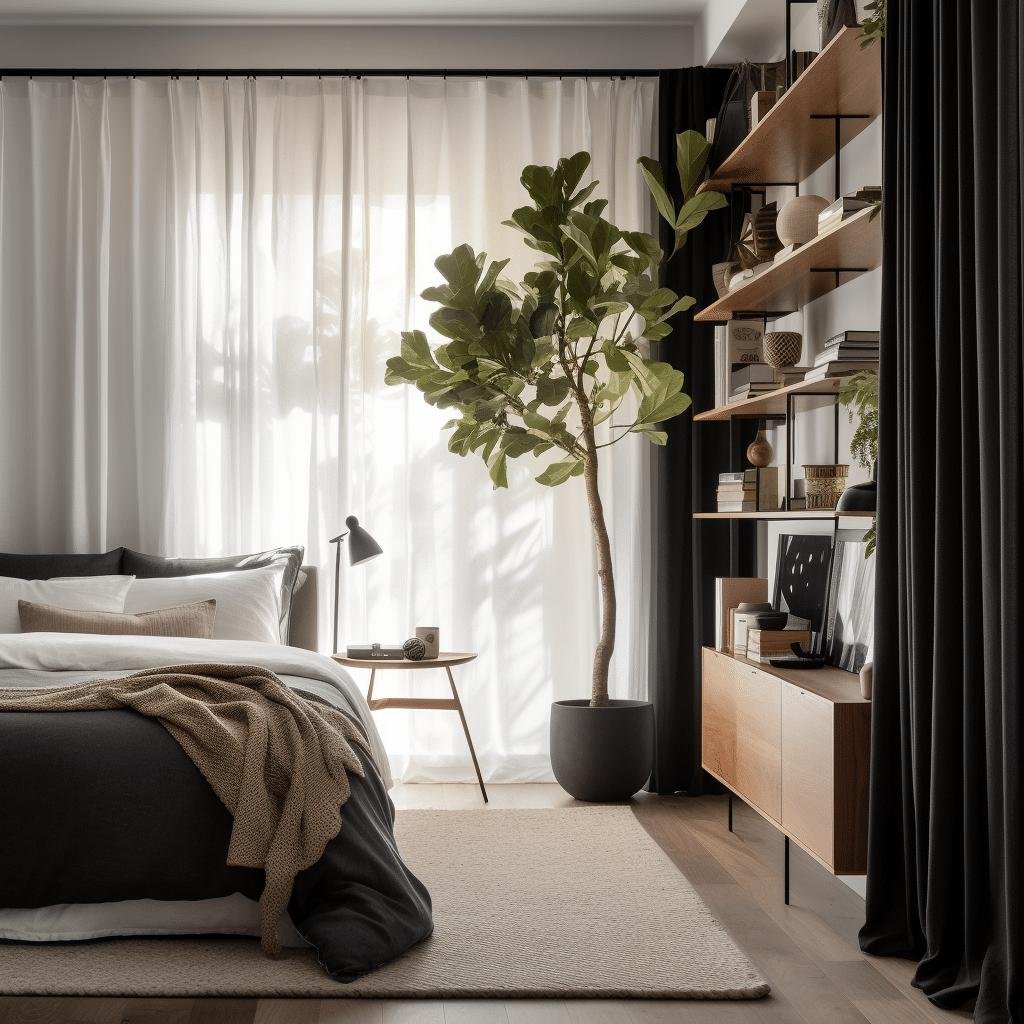
Layered curtains combine two different fabric layers, usually a sheer curtain and a heavier decorative curtain.
This combination allows you to adjust the room’s lighting throughout the day.
During the morning, sheer curtains can help maintain a bright atmosphere while offering some daytime privacy. When sunlight becomes stronger, you can close the heavier curtain for additional shading.
Benefits of layered curtains:
For a balanced look, select curtain colours that complement your wall paint, furniture and flooring.
Explore Curtains at Interior World to discover different curtain styles.
Zebra blinds feature alternating transparent and opaque fabric sections.
By adjusting their alignment, you can control how much light enters the room without completely raising the blind.
They are particularly suitable for contemporary interiors where both functionality and visual appeal matter.
Where can you use zebra blinds?
Choose a fabric with appropriate opacity for your window’s sunlight exposure. Remember that zebra blinds are not automatically blackout or thermal-insulation products.
Sometimes the best way to control sunlight is to manage it before it reaches the window glass.
Outdoor awnings can create a shaded area outside the building and help reduce direct sunlight entering through exposed windows.
They can be particularly useful for:
Select an awning based on its material, projection, mounting arrangement and ability to withstand local weather conditions.
Explore Awning Solutions at Interior World for outdoor shading options.
The appearance of a window treatment is important, but its fabric characteristics matter just as much.
Before choosing blinds or curtains, consider the following:
Fabric opacity: Sheer fabrics allow more daylight, while blackout fabrics provide stronger light blockage.
Colour: Light colours can create a softer and brighter appearance. However, the actual solar performance also depends on the fabric’s construction, coating and installation.
Texture: Select textures that complement the overall interior design.
Maintenance: Consider dust exposure, cleaning requirements and everyday usage.
For particularly sunny windows, ask for product specifications related to solar reflectance, light transmission and glare reduction instead of selecting a fabric based only on its appearance.
The direction of a window can influence the amount and timing of sunlight entering a room.
For Jaipur homes, it is worth paying particular attention to west-facing windows and large glass openings.
Window treatments work best when they are considered as part of the complete interior design.
A few practical ideas can improve the overall result:
For better heat management, window coverings can also be combined with suitable glazing and other building-level solutions. Interior shades help control sunlight, but they should not be considered a replacement for proper insulation or efficient windows.

There is no single solution for every window. Your choice should depend on the room, window direction, sunlight exposure, privacy requirements and interior style.
Here is a simple comparison:
| Window treatment | Best suited for |
|---|---|
| Roller blinds | Minimal and adjustable window shading |
| Layered curtains | Flexible lighting and decorative appeal |
| Zebra blinds | Adjustable light and privacy |
| Vertical blinds | Wide windows and larger openings |
| Outdoor awnings | External shading for exposed windows |
The best approach is to assess each window individually rather than selecting the same treatment for every room.

A well-designed window treatment can make a noticeable difference to the appearance and everyday comfort of your home.
Whether you prefer modern roller blinds, elegant layered curtains, adjustable zebra blinds or outdoor awnings, selecting the right solution starts with understanding your space.
At Interior World, Jaipur, you can explore a range of interior products and window-covering options to complement your home’s requirements.
Visit Interior World or contact our team to discuss suitable options for your windows.
Solar-screen roller blinds and suitable light-filtering blinds can help manage direct sunlight and glare. The right choice depends on window direction, fabric specifications and the level of shading required.
Both can be useful. Blinds offer adjustable light control, while lined or layered curtains can provide additional shading. Their actual heat-control performance depends on the material and installation.
Not necessarily. Light-filtering and sunscreen fabrics allow varying levels of daylight while helping reduce glare. Blackout fabrics are designed for much greater light blockage.
Yes. Properly selected awnings can shade exposed windows and outdoor areas before direct sunlight reaches the glass.
Consider the window’s direction, size, sunlight exposure, privacy needs, room usage, fabric specifications and overall interior design before making a selection.
A comfortable home does not have to be a dark home. With thoughtful window treatments and proper sunlight management, you can enjoy natural daylight while creating a more pleasant indoor environment.
Choose solutions that balance appearance, privacy, functionality and everyday comfort.
Leave A Comment