Walls play an important role in defining the personality of a home. The right wall finish can make a room feel warmer, more welcoming, elegant or full of character. While paint remains a popular choice, wallpaper offers homeowners an opportunity to introduce patterns, textures and visual details without making major changes to the existing interior.
In 2026, wallpaper design is moving beyond simple decorative prints. Homeowners are exploring nature-inspired patterns, subtle textured finishes, artistic murals, warm earthy colours and designs that reflect their personal style. Whether you live in a compact apartment or a spacious independent house, the right wallpaper can help create a distinctive interior.
If you are planning to refresh your walls, this guide explores the latest wallpaper design trends for Indian homes, room-by-room ideas, material options and practical tips to help you make the right choice.
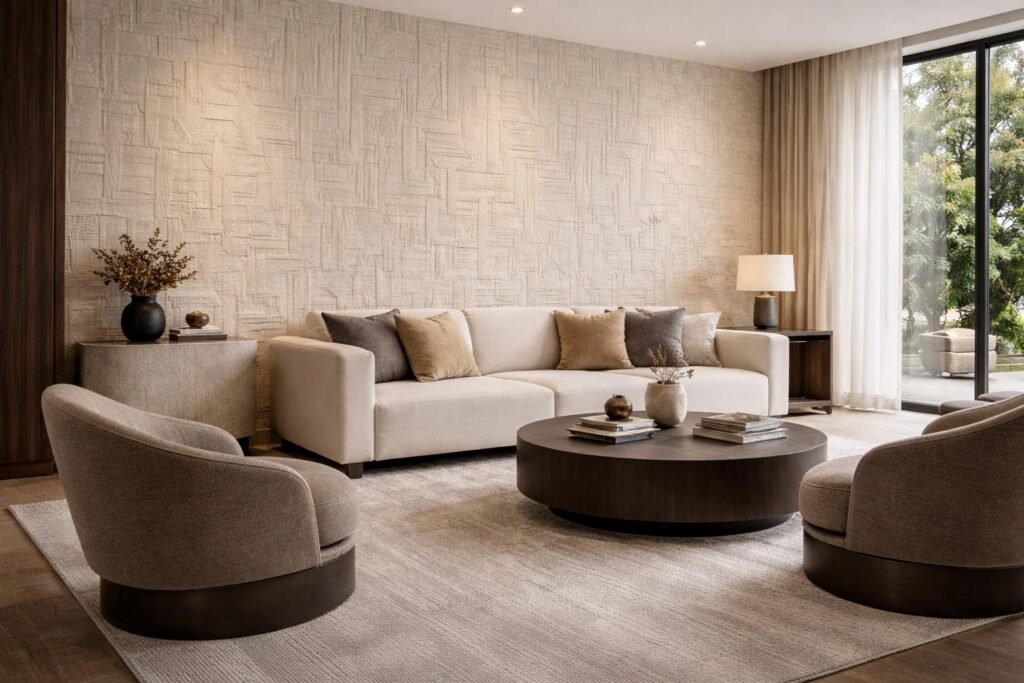
Textured wallpaper is a popular option for homeowners who want something more interesting than a plain painted wall without introducing a busy pattern.

Some designs recreate the appearance of linen, fabric, plaster, stone or other natural surfaces. These finishes add visual depth and can look different depending on the direction and intensity of the room’s lighting.
Textured wallpaper is particularly useful for living rooms, bedrooms and entrance areas where you want an elegant finish without overwhelming the space.
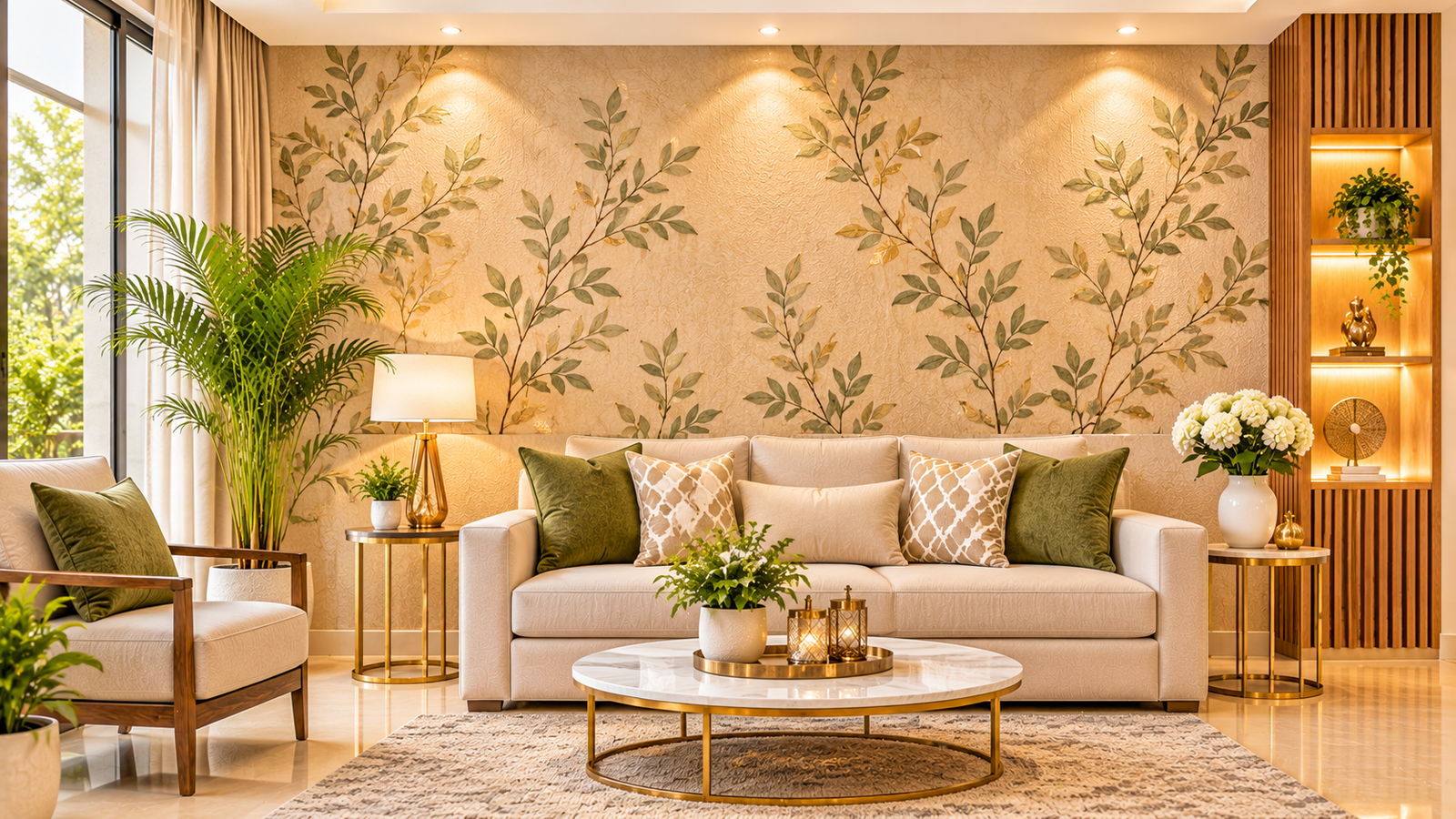
Nature-inspired interiors continue to attract attention in modern home design. Botanical wallpapers bring the visual freshness of leaves, plants and natural landscapes into indoor spaces.

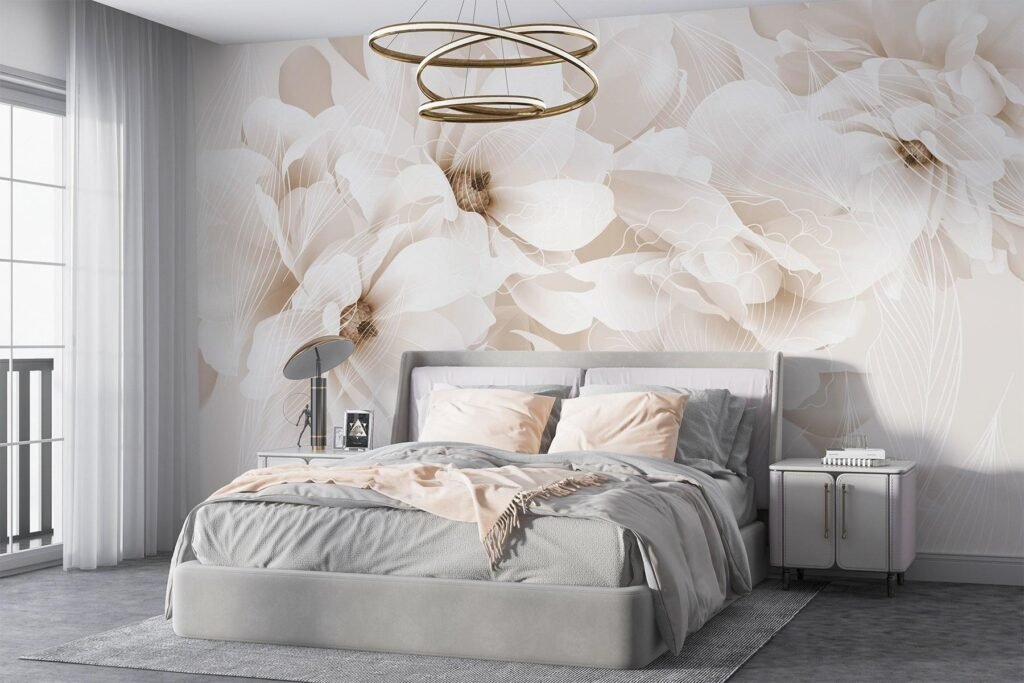
You can choose from delicate leaf patterns, tropical foliage, floral illustrations and larger nature-inspired murals.
For a balanced result, avoid covering every wall with a bold botanical print. A single feature wall is often enough to create visual interest.
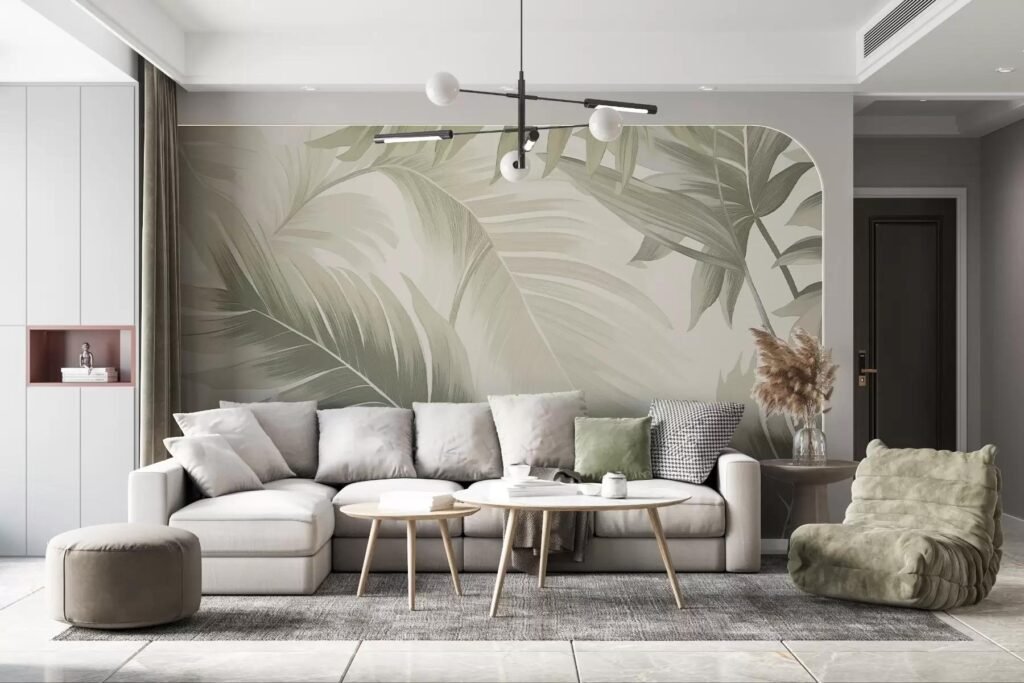
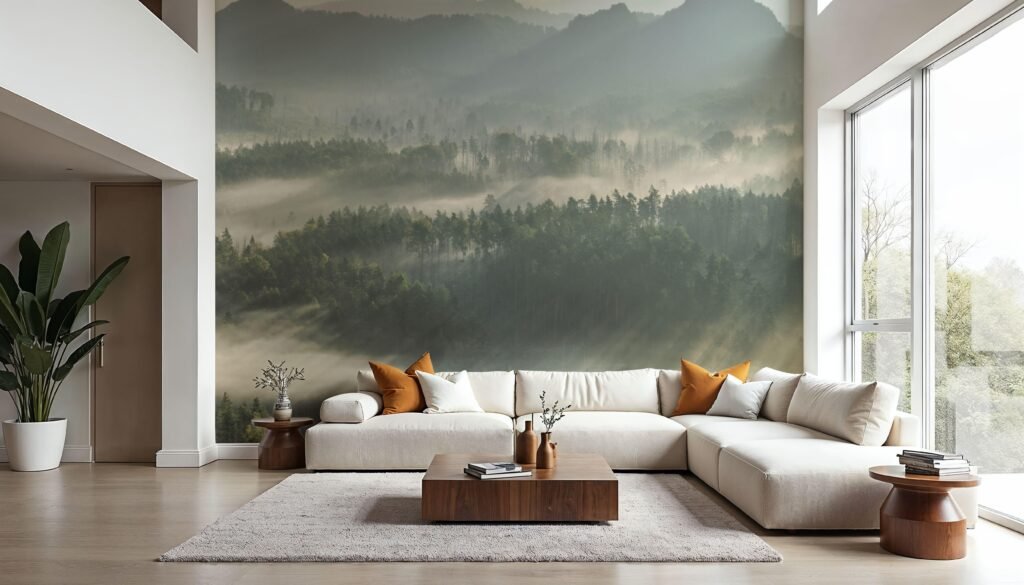
A statement mural can turn an ordinary wall into the focal point of a room. Unlike repeating wallpaper patterns, murals often create one continuous visual composition.

Popular mural themes include:
A mural can work particularly well behind a sofa, behind a bed or in an entrance area.
Before selecting one, consider the size of the wall, furniture placement and the amount of natural light. A large design should complement the room rather than compete with every other decorative element.
Colour selection has a major impact on how wallpaper looks in a room. In contemporary interiors, warm and nature-inspired shades offer an alternative to overly cool or stark colour palettes.
Consider these options:
Beige and Sand: These shades work well in minimalist and contemporary homes. They can complement wooden furniture, neutral sofas and warm lighting.
Sage Green: A muted green can introduce a natural feel without making the room look too colourful.
Terracotta: This warm, earthy shade can add character to dining areas, reading corners and selected feature walls.
Olive Green: A deeper natural tone that can work well with beige, cream and wood finishes.
Warm Brown: Suitable for interiors that use wooden furniture, textured fabrics and earthy decorative elements.
Always check a wallpaper sample in the actual room. Colours may appear different under daylight, warm LED lights and cool artificial lighting.
Geometric wallpaper uses shapes, lines and repeating patterns to create a structured appearance.
It can be a good choice for homeowners who prefer modern interiors with clean visual details.
Popular options include:
For compact rooms, consider smaller and softer patterns. Large, high-contrast designs may become visually dominant when used across a large wall.
Geometric wallpaper can be paired with simple furniture, neutral curtains and minimal accessories.
The same wallpaper design may not suit every room. Each space has different lighting conditions, furniture arrangements and practical requirements.
The living room offers an opportunity to create a strong first impression.
Consider:
If your living room already contains patterned furniture, rugs or curtains, choose a wallpaper with a simpler design.
Bedrooms generally benefit from a comfortable and relaxing atmosphere.

Good options include:
Avoid choosing a design only because it looks attractive in a showroom. Consider how it will look when you wake up, when the room is brightly lit and when the lights are dimmed at night.
Wallpaper can help make a dining area feel more defined and welcoming.
Try subtle textured finishes, elegant botanical patterns or warm decorative prints. If the dining area is part of an open-plan living room, use wallpaper to visually distinguish the dining zone.
Children’s rooms offer more freedom to experiment with colour and playful patterns.
Popular choices include:
Choose a design that can remain suitable as the child grows, especially if you do not want to replace the wallpaper frequently.
A home office should support concentration while still feeling comfortable.
Subtle textures, soft geometric patterns and understated natural designs can add character without creating too much visual distraction.
The appearance of wallpaper is important, but the material also affects cleaning, installation and suitability for different rooms.
Vinyl wallpaper is available in a wide range of finishes and is often selected where easier surface cleaning is important.
It can be suitable for selected living and dining areas, depending on the product specifications.
Non-woven wallpaper is valued for its installation and handling characteristics. Depending on the product, it may be suitable for bedrooms and living spaces.
Paper-based wallpaper offers many decorative designs and finishes. It generally requires more careful handling and should be selected according to the room’s conditions.
Fabric and textile-inspired finishes can create a rich, premium appearance. Their cleaning and maintenance requirements depend on the material and construction.
Important: No single wallpaper material is ideal for every room. Always check the manufacturer’s specifications for cleaning, moisture exposure, installation method and recommended application.
Indian homes experience different weather conditions depending on the city, season and building construction. Heat, humidity, monsoon moisture and wall conditions can all affect wallpaper performance.
Before installation, consider the following:
Check for Dampness: Never cover a damp wall with wallpaper. First identify and repair the source of moisture or leakage.
Prepare the Surface: The wall should be clean, dry, smooth and suitable for the selected adhesive.
Choose the Right Material: Check whether the product is washable, moisture-resistant or suitable for the intended room. Do not assume every wallpaper has these properties.
Consider Sunlight: Direct sunlight can affect some colours and finishes over time. Ask the supplier about colourfastness and product recommendations.
Check Cleaning Instructions: Some wallpapers can be gently wiped, while others require dry or specialist cleaning.
Use Professional Installation: Correct alignment, pattern matching, adhesive application and surface preparation help achieve a better finish.
Wallpaper and paint both have their own advantages. The right choice depends on the appearance you want, the condition of your walls and your maintenance preferences.
| Factor | Wallpaper | Paint |
|---|---|---|
| Design options | Patterns, textures and murals | Colours and selected finishes |
| Visual detail | Can create detailed feature walls | Depends on paint technique |
| Installation | Requires surface preparation and careful fixing | Requires preparation and painting |
| Maintenance | Depends on material and finish | Depends on paint type |
| Future changes | Removal and replacement may be needed | Repainting is usually possible |
| Best suited for | Feature walls and decorative finishes | Whole-room colour schemes |
You do not have to choose only one. A practical approach is to use wallpaper on a selected feature wall and paint the remaining walls in a complementary shade.
A wallpaper may look beautiful in a catalogue but feel completely different after installation. Avoid these common mistakes:
A good wallpaper selection should suit your home, not just a photograph or showroom display.
Before ordering wallpaper, measure the wall’s width and height accurately. Note doors, windows, cupboards and other openings.
Ask the supplier or installer to calculate the required quantity, taking pattern repeat and trimming waste into account.
A few useful steps:
Good planning can reduce wastage and help avoid mismatched patterns or installation delays.
The right wallpaper can change the character of a room without requiring a complete interior renovation. Whether you prefer subtle textures, nature-inspired prints, contemporary geometric patterns or decorative feature walls, choose a finish that complements your home’s overall design.
Interior World offers wallpaper options along with a range of interior products such as flooring, curtains, blinds, artificial grass and other home décor solutions.
Explore the Wallpaper collection at Interior World and discover ideas for refreshing your walls.
For help with your interior requirements, visit the Interior World Contact Us page.
Textured finishes, subtle geometric patterns, botanical prints and warm neutral designs are versatile options. The best choice depends on room size, lighting and existing furniture.
Textured wallpaper, botanical designs and statement murals can work well in living rooms. A feature wall behind the sofa is a popular placement.
It can be suitable when the correct material is selected and the wall is properly prepared. Moisture, dampness and direct sunlight should be considered before installation.
Some vinyl and specially designed washable wallpapers can be gently cleaned. Others require dry or more delicate maintenance. Always follow the manufacturer’s instructions.
Yes. Bedrooms can use a variety of wallpaper styles, including soft textures, floral patterns, muted botanicals and neutral designs.
Neither option is universally better. Wallpaper offers patterns, textures and murals, while paint provides flexibility in colour selection and future repainting. You can also combine both.
No. The source of moisture or leakage should be identified and repaired first. Installing wallpaper on a damp surface can lead to adhesion problems and damage.
Final Thought: Wallpaper is more than a decorative wall covering. It is an opportunity to express your personal style and give your home a distinctive identity. Choose the right pattern, material and colour for each room, and plan the installation carefully for a beautiful and practical result.
Leave A Comment