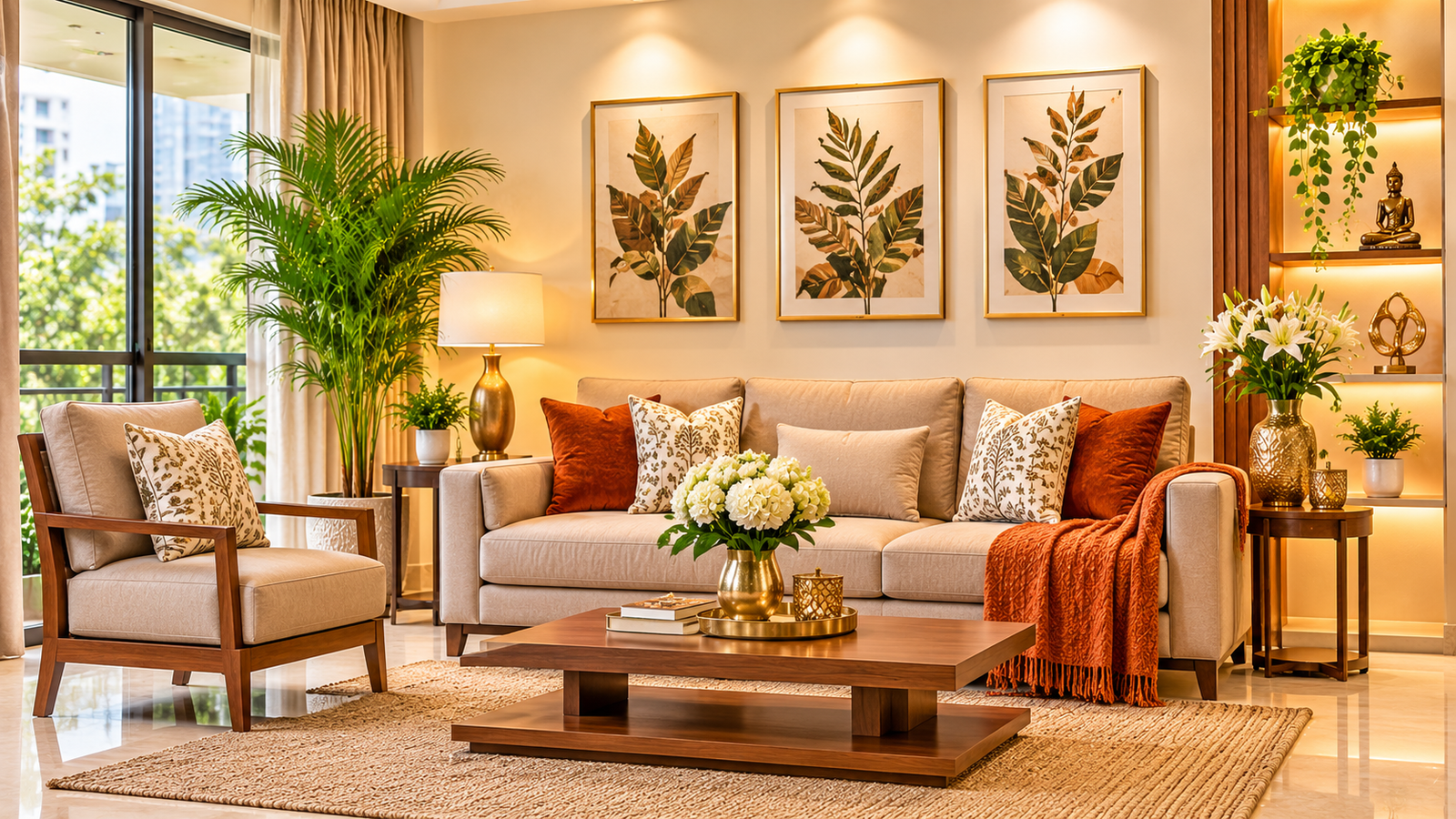
A sofa is one of the most important pieces of furniture in a living room. It is where family members relax, guests sit, conversations happen and everyday moments are shared. Because it is used so frequently, choosing the right sofa is about much more than selecting an attractive design.
The ideal sofa should complement your living room, provide comfortable seating, suit your family’s lifestyle and remain practical to maintain over time.
Indian homes have different requirements depending on their size, climate, family habits and interior preferences. A sofa that looks beautiful in a showroom may not necessarily fit a compact apartment or work well with your existing furniture.
From modern L-shaped sofas and classic three-seater designs to wooden frames and easy-care upholstery, there are several options to consider.
In this guide, we will explain how to choose the right sofa for Indian homes, covering size, shape, material, fabric, comfort, colours and maintenance.
The first step in selecting a sofa is measuring the available space. Never choose a sofa simply because it looks attractive in a showroom or online photograph.
A sofa should fit comfortably without blocking walkways, doors, windows or access to other furniture.
Before purchasing, measure:

A comfortable living room needs clear movement around the furniture. As a general planning guide, aim for approximately 75–90 cm for a main walkway wherever the layout allows.
Leave enough space between the sofa and coffee table for comfortable movement and access.
This is an often-overlooked detail.
Before ordering a large sofa, measure the main entrance, staircase, lift and corridor. An L-shaped sofa may need to be delivered in separate sections if it cannot pass through the available access points.
Design tip: Mark the proposed sofa footprint on the floor using masking tape. This makes it easier to understand how much space the furniture will actually occupy.
Different sofa styles serve different purposes. The right choice depends on the available space, number of people and how you use your living room.

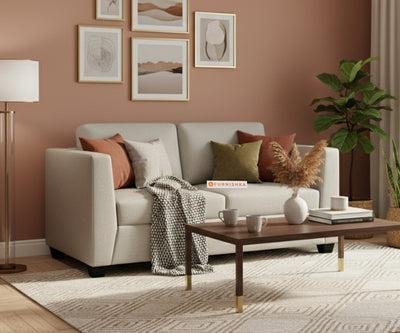
A two-seater sofa is suitable for compact apartments, small living rooms and secondary seating areas.
It can be paired with an armchair or a compact coffee table to create a functional seating arrangement.
A three-seater is a versatile choice for many Indian living rooms.
It offers comfortable seating for family members without occupying as much space as a large sectional sofa.
It can also be combined with accent chairs or a loveseat for a flexible arrangement.
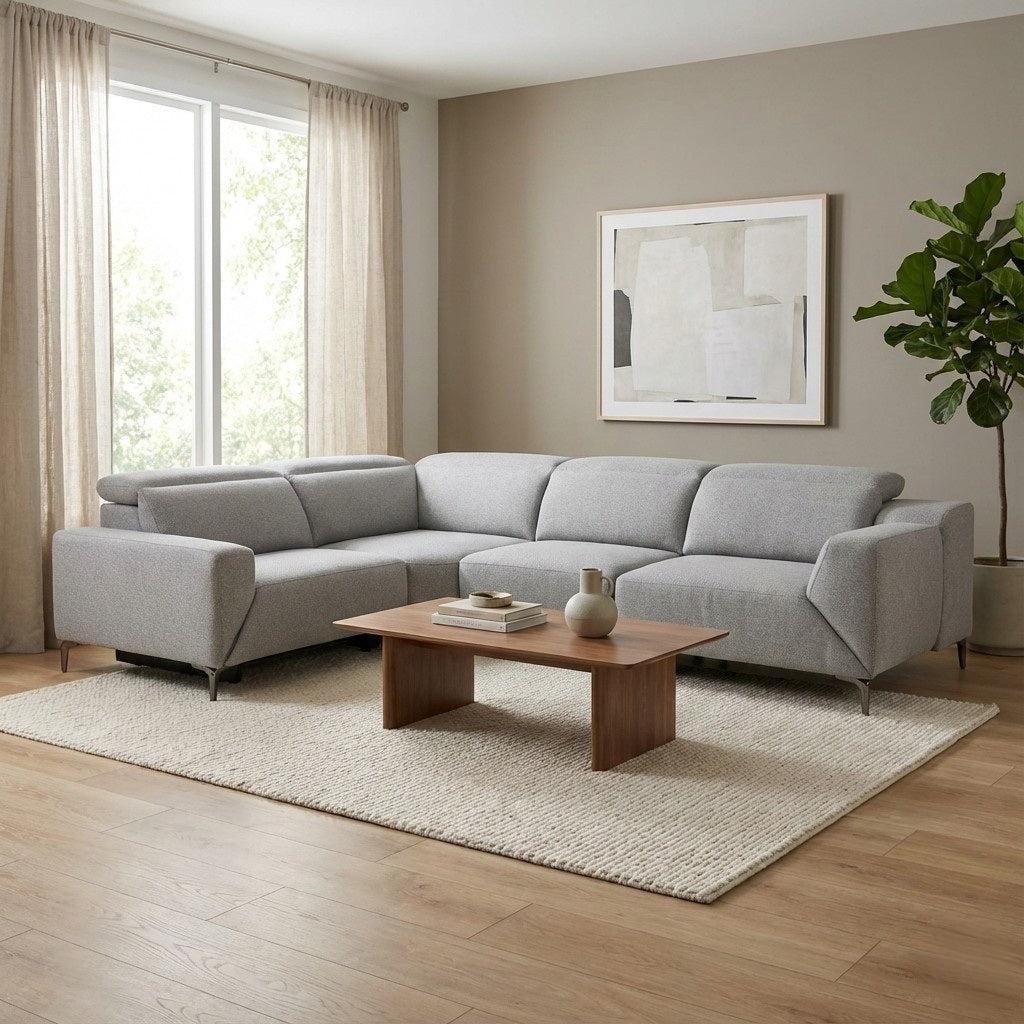
L-shaped sofas are popular in contemporary homes because they offer multiple seating positions within a corner arrangement.
They can work particularly well in open-plan living rooms and spaces where you want to define the seating area.
However, check the full footprint carefully. The longer section should not block balcony access or the main walkway.
A sectional sofa consists of multiple connected seating sections. Some designs can be rearranged to suit changing room layouts.
They are useful for larger living rooms where additional seating is required.
A recliner is designed for relaxation and provides an adjustable seating position.
It is worth considering for television rooms and dedicated family lounges. Make sure there is enough clearance behind and in front of the sofa for the reclining mechanism.
Fabric selection has a major impact on comfort, appearance and maintenance.
Indian homes experience hot summers, monsoon humidity, dust and frequent everyday use. Therefore, upholstery should be selected according to the household’s needs.
Polyester upholstery is a practical option for everyday family use.
Benefits include:
Tightly woven fabrics are often preferable for heavily used seating areas.

Cotton offers a soft and breathable feel.
It is available in many colours and patterns, but pure cotton can crease and absorb spills more easily than some synthetic blends.
Removable and washable covers can make maintenance more convenient.
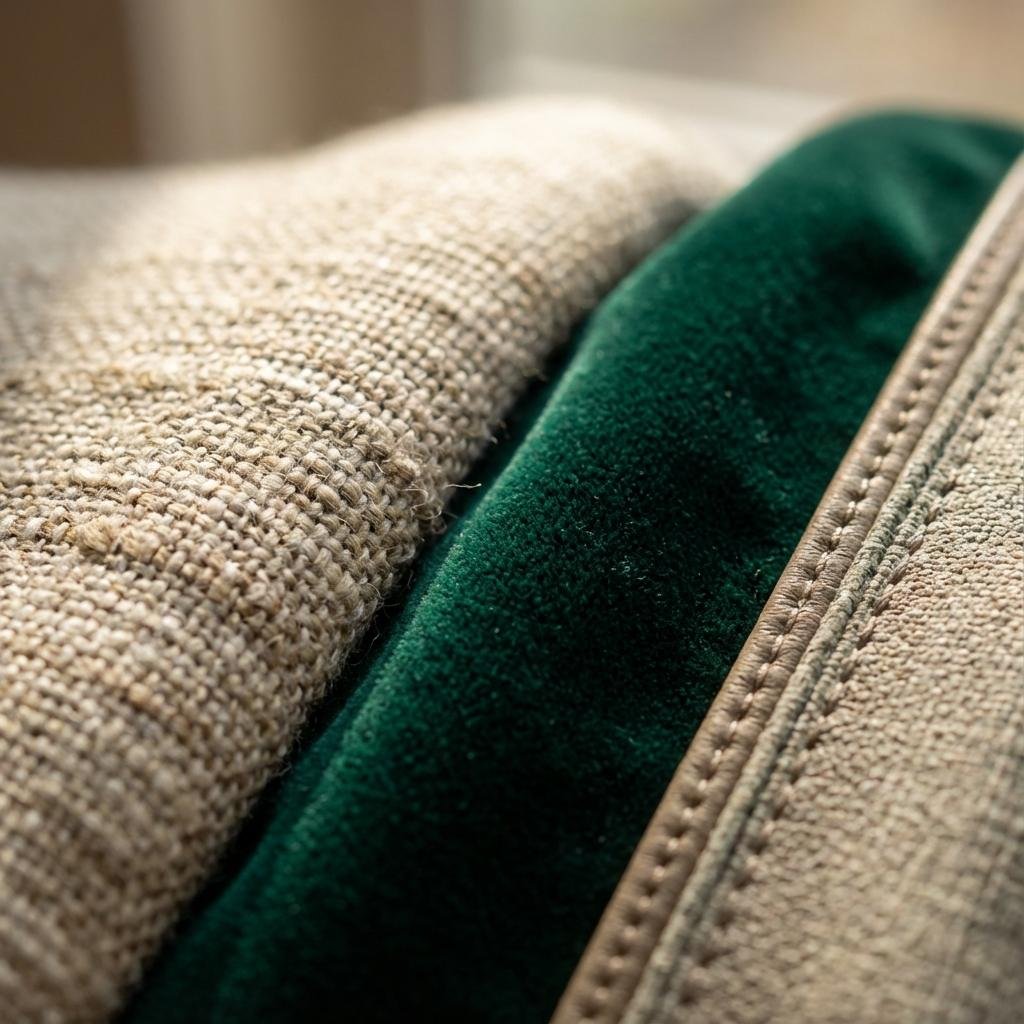
Linen creates a natural, relaxed appearance and works beautifully in minimalist interiors.
However, it can wrinkle and may require more careful maintenance. Consider linen blends if you prefer its appearance with easier everyday care.
Velvet gives a sofa a rich and luxurious appearance.
It is often used in statement sofas and accent seating. Depending on the fabric construction, it may show pressure marks and require specific cleaning.
Genuine leather has a distinctive appearance and can last for many years with appropriate care.
Leatherette is generally easier to wipe clean, but lower-quality options may crack or peel over time, particularly when exposed to heat and direct sunlight.
For a frequently used sofa in a warm room, compare the feel and breathability of different materials before making a decision.
Practical tip: Always request a fabric sample if possible. Check its texture, colour in natural light and cleaning instructions before selecting upholstery.
The frame is the structural foundation of a sofa. A beautiful exterior cannot compensate for weak construction.
When purchasing a sofa, ask about the frame material and how its joints are assembled.
A well-constructed hardwood frame can provide strength and stability.
Check whether the wood has been properly seasoned or kiln-dried to reduce moisture-related movement.
Good-quality structural plywood can also be used in sofa construction.
The grade, thickness, support structure and workmanship matter more than the material name alone.
Look for:
Ask the seller about the internal support system and warranty coverage.
A good sofa should feel stable when you sit down or shift your weight.
The seat cushion determines how comfortable a sofa feels during everyday use.
A cushion that is too soft may lose its shape quickly, while an overly firm seat may not provide the comfort you expect.

High-resilience foam is commonly used in quality sofa cushions because it provides support and helps cushions retain their shape.
Ask the manufacturer for the foam density and specifications rather than relying only on terms such as premium or luxury.
Fibre-filled cushions can create a softer, relaxed backrest.
They may need occasional plumping to maintain their shape.
Some sofas use a foam core with a fibre wrap. This can provide a combination of support and softness.
When visiting a showroom:
Comfort is personal, so do not select a sofa based only on advertised specifications.
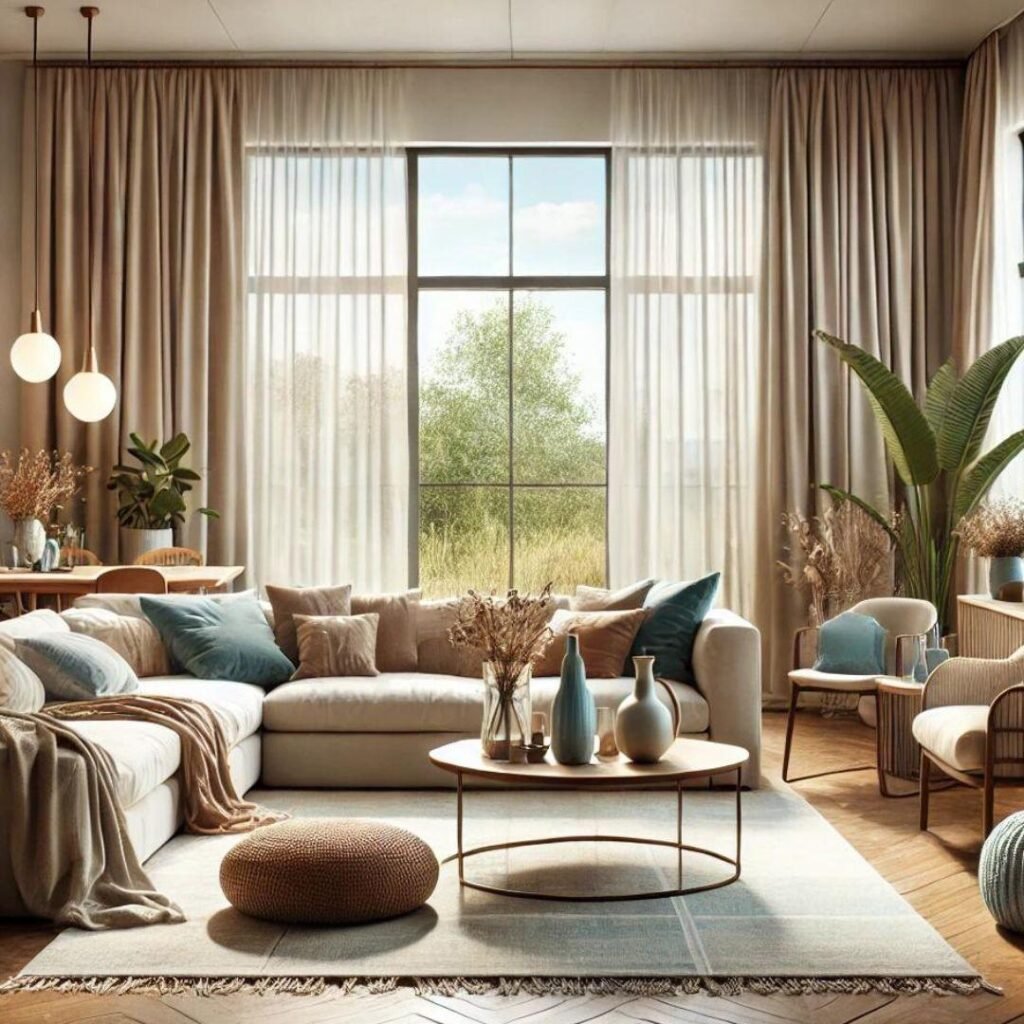
The sofa often occupies a large visual area in the living room. Its colour should coordinate with the flooring, curtains, walls and other furniture.
Here are some popular options.
These shades create a soft, elegant appearance and work well with contemporary interiors.
They pair beautifully with wooden furniture, neutral walls and textured rugs.
Grey is a versatile colour that complements both warm and cool interior palettes.
It is available in light, medium and charcoal shades.
Brown and tan upholstery adds warmth and creates a classic appearance.
These shades work especially well with wooden furniture and earthy colour combinations.
Muted green and blue shades can introduce character without making the room look overly decorative.
They are suitable for statement sofas and accent seating.
These warm colours can create a welcoming atmosphere and pair well with beige, cream and natural wood finishes.
Design tip: If you prefer neutral sofas, introduce stronger colours through cushions, throws and decorative accessories. These can be changed easily when you want to refresh the living room.
The sofa should complement the overall interior style rather than look like an isolated furniture piece.
Consider these design directions.
Minimalist sofas feature clean lines, simple shapes and limited decoration.
They are ideal for contemporary apartments where you want an uncluttered appearance.
Visible wooden frames add a traditional yet elegant element to the living room.
They can be paired with neutral fabric upholstery and wooden coffee tables.
Curved sofas create a softer visual appearance and can become a focal point in larger living rooms.
Check the actual seating capacity and footprint before choosing one.
Tufted upholstery adds texture and a classic decorative finish.
It can work well in traditional, transitional and luxurious interiors.
Modular sofas consist of separate sections that can be arranged in different configurations.
They are useful when you expect your room layout to change or want flexibility for future additions.
Even a beautiful sofa can make a room feel uncomfortable if it is positioned incorrectly.
The arrangement should support conversation, movement and television viewing.
In a family living room, the sofa is often positioned facing the television.
Choose a comfortable viewing distance according to your screen size and the manufacturer’s recommendations.
If your home frequently hosts guests, consider placing two sofas opposite each other.
This creates a comfortable conversation area.
A sofa can be positioned near a window if it does not obstruct access or block too much natural light.
Use suitable curtains to manage sunlight and protect upholstery from fading.
In an open-plan home, an L-shaped sofa can help define the living zone without requiring a full partition.
Keep enough space for movement between the living and dining areas.
A sofa does not work alone. The surrounding furnishings help complete the living room design.
A well-sized rug can visually connect the sofa, coffee table and accent chairs.
Choose a rug that complements the sofa colour and leaves an appropriate border around the seating arrangement.
Explore Interior World’s Rugs Collection for more inspiration.
Curtains influence the amount of natural light entering the living room and can complement the upholstery.
Coordinate their colour and texture with the sofa without making every element identical.
Explore Curtains for furnishing ideas.
Decorative cushions introduce colour, pattern and texture.
A combination of plain and patterned cushions can create a balanced look.
Throws add another layer of texture while providing a practical accessory for everyday use.
Regular maintenance helps preserve the appearance and comfort of your sofa.
Follow these simple practices:
Vacuum regularly: Remove dust and loose particles from the seats, corners and cushions.
Clean spills quickly: Blot liquid spills gently with a clean cloth. Avoid rubbing stains deeper into the fabric.
Follow fabric instructions: Use cleaning products recommended by the manufacturer.
Rotate cushions: Where the design allows, rotate and reverse removable cushions to distribute wear.
Avoid direct sunlight: Strong sunlight can fade upholstery over time. Use suitable curtains or blinds to manage exposure.
Keep pets’ nails trimmed: This can help reduce snagging on delicate or loosely woven fabrics.
Check the frame and legs: Periodically inspect visible joints, legs and fasteners for looseness.
For valuable or delicate upholstery, use professional cleaning services when necessary.
Before finalising your purchase, avoid these common mistakes:
Before placing your order, use this checklist:
Taking these steps can help you choose a sofa that looks attractive and works well for everyday living.
Choosing a sofa is an important decision because it influences the comfort and overall appearance of your living room.
The right sofa should fit your available space, suit your family’s seating requirements and complement the interior design of your home.
Whether you prefer a compact two-seater, a versatile three-seater, a modern L-shaped design or a luxurious upholstered sofa, pay attention to measurements, frame quality, cushion support and fabric maintenance.
With thoughtful planning, you can select a sofa that remains comfortable, practical and visually appealing for years.
Explore Interior World for interior inspiration and furnishing solutions, or contact our team to discuss your interior requirements.
The best sofa depends on room size, family requirements and usage. A three-seater or compact L-shaped sofa can suit many homes, while larger living rooms may accommodate sectional designs.
Tightly woven polyester and suitable fabric blends are practical choices for many households. Consider breathability, cleaning requirements, sunlight exposure and everyday usage before selecting upholstery.
It can be suitable if the room has enough space for its complete footprint. Measure the layout and ensure that walkways, doors and balcony access remain clear.
Check its dimensions, frame construction, cushion support, upholstery, seating comfort, delivery access and warranty conditions.
Vacuum regularly, clean spills quickly, follow manufacturer care instructions, rotate cushions where possible and protect upholstery from excessive sunlight.
Beige, grey, taupe and muted brown are versatile options. Select the shade according to your wall colour, flooring, curtains and maintenance preferences.
An L-shaped sofa has two connected seating sections arranged at an angle. A sectional is a broader category of sofas made from multiple connected or modular seating sections.
Both can work when properly designed and constructed. Compare material quality, joints, support, finish and warranty rather than choosing only by the frame material name.
Leave A Comment